
Chennai-based Endovascular & IR Specialist, Dr. Ravindran Ramalingam offers minimally invasive, scar-free treatments ensuring faster recovery and minimal pain.

Endovascular &
IR Specialist

Center Address
- Gleneagles Health City, Perumbakkam, Chennai, TN
- Maruti Scans, Velachery, Chennai, TN

Aortic Aneurysms (EVAR and TEVAR)

TEVAR / EVAR for an Aortic Aneurysm

A Modern, Minimally Invasive Way to Repair a Dangerous Aortic Bulge

An aortic aneurysm is a weak, bulging area in the body’s main artery (the aorta). If it grows or bursts, it can be life-threatening.

TEVAR (Thoracic Endovascular Aortic Repair) and EVAR (Endovascular Aneurysm Repair) are minimally invasive, image-guided procedures that repair the aneurysm from inside the artery—often without open surgery.
👉 Diagnosed with an aortic aneurysm or told you need surgery?

What Is TEVAR / EVAR for an Aortic Aneurysm?

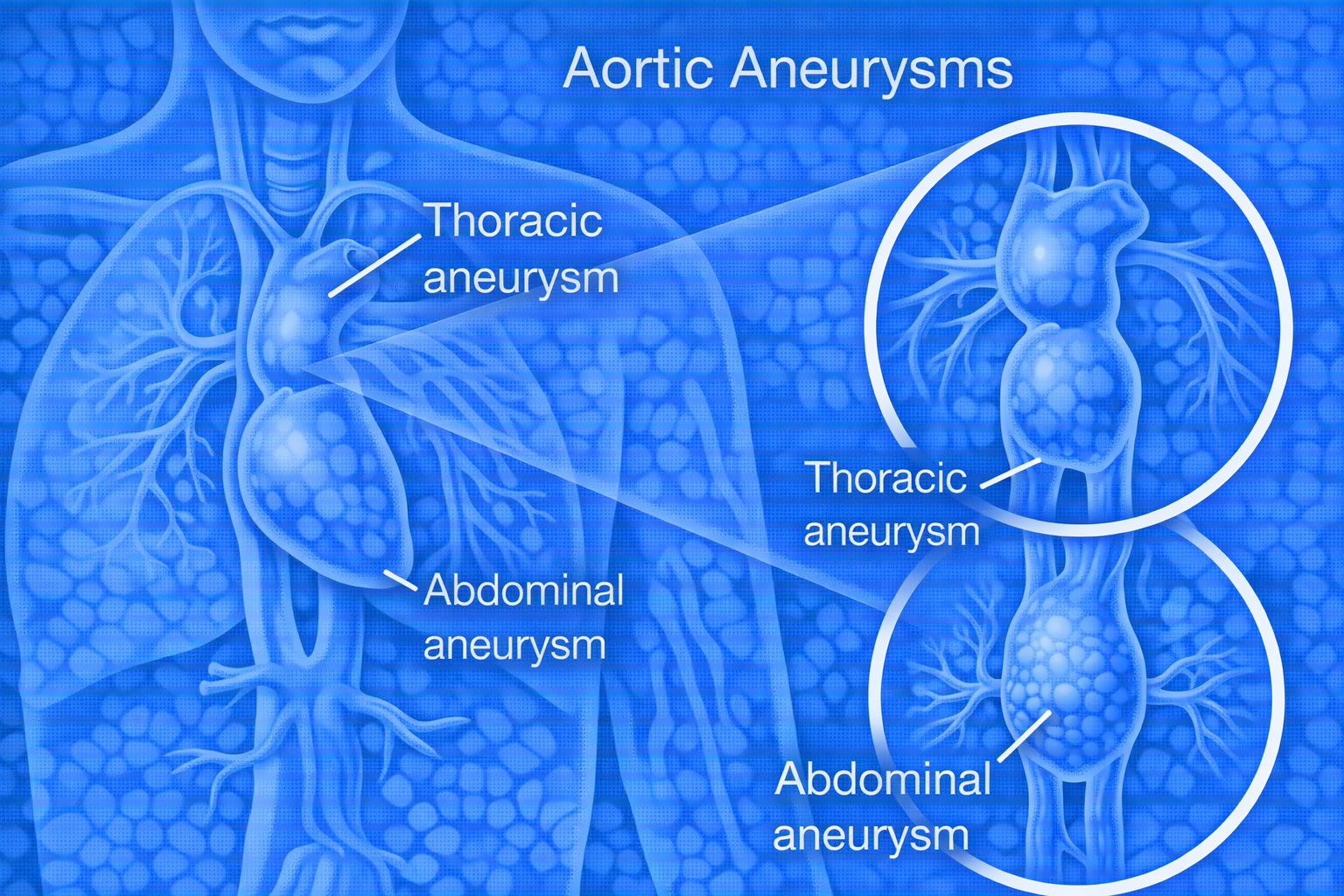
  • EVAR is used to repair aneurysms in the abdominal aorta (in the belly).
  • TEVAR is used to repair aneurysms in the thoracic aorta (in the chest).

In both procedures, doctors:

  • Place a fabric-covered metal tube (stent-graft) inside the aorta
  • Seal off the weak, bulging area from blood pressure
  • Reduce the risk of rupture and internal bleeding

This treatment:

  • Protects the weakened part of the aorta
  • Avoids large chest or abdominal surgery in many patients
  • Allows faster recovery with smaller cuts
  • No big open surgery
  • Small punctures in the groin
  • Less pain and blood loss
  • Shorter hospital stay

What Is an Aortic Aneurysm?

An aortic aneurysm is a balloon-like bulge in the wall of the aorta, the main artery that carries blood from the heart to the body.

It can occur in:

  • The abdomen (abdominal aortic aneurysm – AAA)
  • The chest (thoracic aortic aneurysm – TAA)

Why it is dangerous:

  • The aneurysm wall becomes weak and thin
  • It can grow silently without symptoms
  • If it bursts (ruptures), it can cause severe internal bleeding and can be fatal

Common risk factors:

  • High blood pressure
  • Smoking
  • Aging
  • Family history
  • Atherosclerosis (fatty deposits in arteries)

How Is TEVAR / EVAR Done?

The procedure is performed by a vascular or endovascular specialist in a cath lab or operating room under X-ray guidance.

Step-by-step:

  • You are given anesthesia (general or spinal, depending on case)
  • Small cuts are made in the groin arteries
  • A thin tube (catheter) is guided into the aorta
  • The stent-graft is positioned across the aneurysm
  • The stent-graft is opened and fixed in place
  • Blood now flows through the stent-graft, not into the aneurysm
  • The instruments are removed and the small cuts are closed

What Are the Risks?

TEVAR/EVAR are generally safer than open surgery, especially in high-risk patients. Possible risks with approximate incidence include:

  • Bruising or bleeding at groin site – common (10–20%)
  • Leak around the stent (endoleak) – uncommon (10–25%, often monitored or treated)
  • Infection – rare (<1–2%)
  • Kidney strain from contrast dye – uncommon (3–5%, higher in kidney disease)
  • Movement or blockage of the stent – rare (<2–3%)
  • Heart or lung complications – uncommon (2–5%)
aortic aneurysm treatment chennai

What Are the Alternatives?

Your treatment choices depend on:

  • The size and location of the aneurysm
  • Your symptoms and overall health
  • Personal preferences and surgical risk

Your vascular specialist will help you choose the safest option.

Alternative 1: No Active Treatment (Observation Only)

  • Avoids undergoing any procedure or surgery
  • Suitable only for small or low-risk aneurysms
  • Major risk: the aneurysm can enlarge and rupture
  • A rupture can cause severe internal bleeding and can be life-threatening

Alternative 2: Open Surgical Repair of the Aorta

  • Involves open surgery to repair or replace the weakened part of the aorta
  • Often provides a durable, long-term solution
  • However, compared to minimally invasive options, surgery:
    • Requires a longer hospital stay and recovery period
    • Carries a higher risk of complications such as heart, lung, or kidney problems
    • Is more demanding on the body, especially in older or high-risk patients

Choosing the Right Aneurysm Treatment

Many patients today benefit from minimally invasive endovascular aneurysm repair (EVAR), which treats the aneurysm with less pain, lower risk, and faster recovery compared to open surgery. A personalized evaluation helps determine the best and safest treatment plan.

📌 TEVAR/EVAR is often preferred when the aneurysm is large, growing, or at risk of rupture and anatomy is suitable.

What Happens After Your Procedure?

After TEVAR/EVAR:

  • You’ll stay in the hospital for monitoring for a few days
  • Pain is usually much less than open surgery
  • You can start walking within 1–2 days
  • Most people return to normal activities within 1–2 weeks
  • You will need regular follow-up scans to check the stent and aneurysm
  • Blood pressure control and healthy lifestyle are very important

Frequently Asked Questions (FAQs) – TEVAR / EVAR for Aortic Aneurysm

EVAR (Endovascular Aneurysm Repair) treats aneurysms in the abdominal aorta, and TEVAR (Thoracic Endovascular Aortic Repair) treats aneurysms in the chest (thoracic) aorta. Both use a stent-graft placed inside the artery to seal off the aneurysm.

An aortic aneurysm is a weak, bulging area in the wall of the aorta (the body’s main artery). If it grows or bursts, it can cause life-threatening internal bleeding.

These procedures are considered for patients who have:

  • A large or growing aneurysm
  • An aneurysm at risk of rupture
  • Symptoms related to the aneurysm
  • Suitable artery anatomy for endovascular repair

It is a minimally invasive, catheter-based procedure, not traditional open surgery.

It is done under general or spinal anesthesia, so you won’t feel pain during the procedure. Recovery pain is usually much less than open surgery.

The procedure usually takes 2 to 4 hours, depending on the complexity of the aneurysm.

Most patients stay in the hospital for 2 to 5 days, which is usually shorter than with open surgery.

Yes. In suitable patients and experienced centers, TEVAR/EVAR is safe and widely used around the world.

Possible risks include bleeding, infection, kidney strain from contrast dye, or leak around the stent (endoleak). Serious complications are uncommon.

An endoleak means some blood is still flowing around the stent-graft into the aneurysm sac. Many endoleaks are minor and monitored, but some need treatment.

Yes. You will need regular CT scans or ultrasound scans to make sure the stent-graft is working properly and the aneurysm is safely sealed.

Stent-grafts are designed to be long-lasting, but lifelong follow-up is important to ensure they continue to work well.

Many patients return to light activities in a few days and normal routine in 1–2 weeks, depending on recovery and doctor’s advice.

For many patients, yes. It is less invasive, has faster recovery, less pain, and shorter hospital stay. Some patients may still need open surgery depending on anatomy.

Yes. These procedures are available in advanced cardiac and vascular centers across India.

Why Choose TEVAR / EVAR for Aortic Aneurysm?

  • Minimally invasive

  • Less pain and blood loss

  • Faster recovery

  • Shorter hospital stay

  • Safer option for many high-risk patients

  • Proven, life-saving technology

Don’t Wait With an Aortic Aneurysm

An aortic aneurysm can be silent but deadly if it ruptures. The good news is that modern, minimally invasive repair is available.

TEVAR/EVAR can protect your aorta and your life—without major surgery.
Call Now Button