

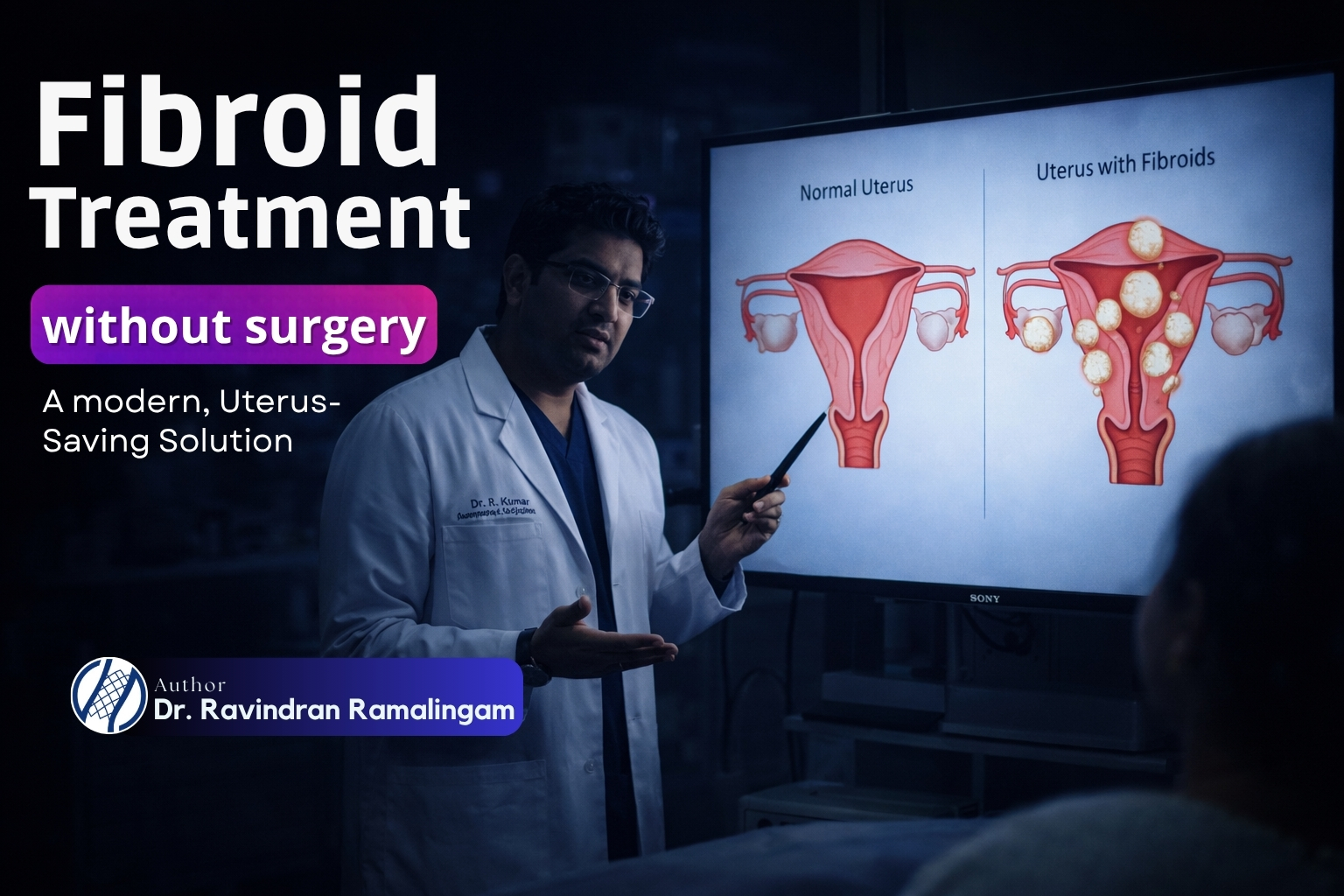
Fibroid treatment without hysterectomy is now a safe and effective option for women who want to avoid major surgery and preserve their uterus. Many women diagnosed with fibroids are often told that hysterectomy (removal of the uterus) is the only solution. However, with modern advancements like uterine fibroid embolization (UFE), non-surgical treatment is now widely available with faster recovery and excellent results.
Many women diagnosed with fibroids are often told that hysterectomy (removal of the uterus) is the only option.
But that’s no longer true. Today, fibroid treatment without hysterectomy is not only possible but is increasingly becoming the preferred choice, especially for women who want to preserve their uterus, avoid major surgery, and recover quickly.
What Are Uterine Fibroids?
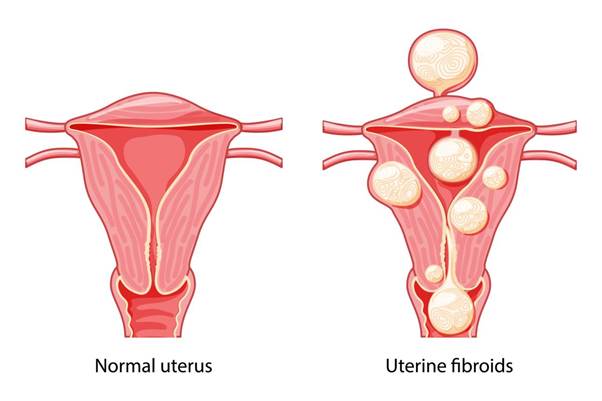
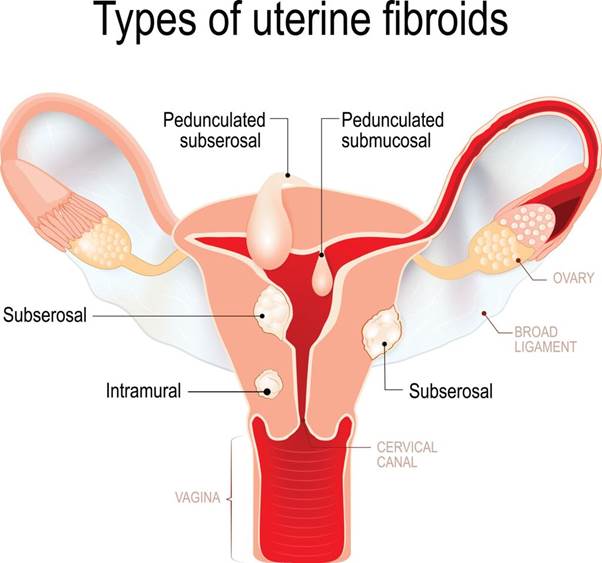
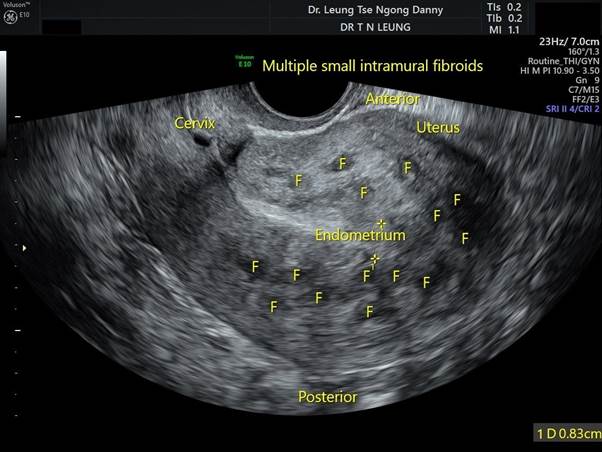
Uterine fibroids are non-cancerous growths that develop in or around the uterus. They are very common in women aged 25–50.
- Heavy menstrual bleeding
- Lower abdominal pain or pressure
- Frequent urination
- Infertility or difficulty conceiving
- Enlarged abdomen
The Problem with Hysterectomy
Traditionally, many patients are advised to undergo a hysterectomy, especially for large or multiple fibroids. But here’s the reality:
- Permanent loss of uterus
- Major surgery with anaesthesia risks
- Longer hospital stay and recovery
- Emotional and hormonal impact
This is why many women are now actively searching for fibroid treatment without hysterectomy.
Uterine Fibroid Embolization (UFE): The Best Non-Surgical Treatment
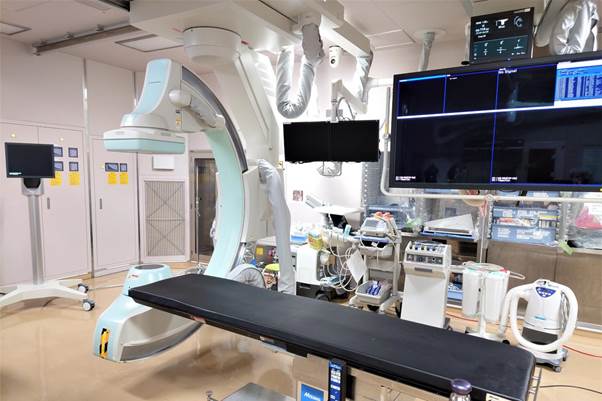
Uterine Fibroid Embolization (UFE) is a minimally invasive, non-surgical procedure performed by an Interventional Radiologist.
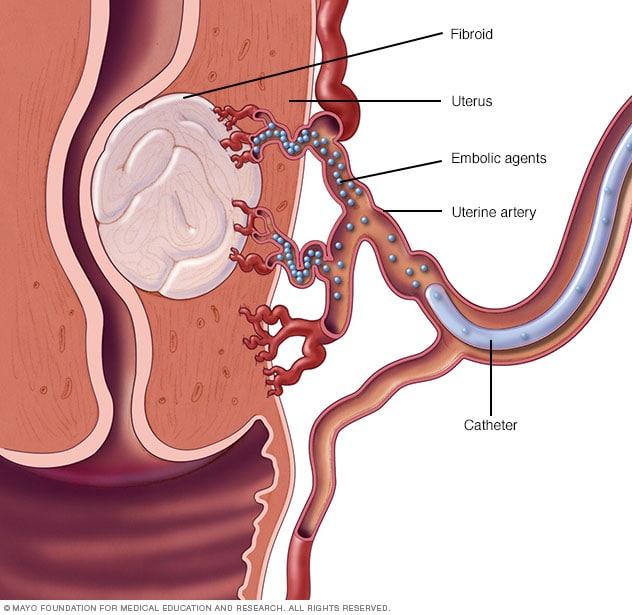
How UFE Works:
- A tiny catheter is inserted through a small puncture in the wrist or groin
- It is guided to the uterine arteries
- Special particles are injected to block blood supply to fibroids
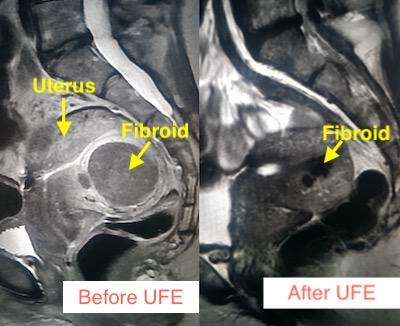
- Fibroids shrink naturally over time
No cuts. No stitches. No removal of uterus.
Benefits of Fibroid Treatment Without Hysterectomy
Why Women Prefer UFE:
- The uterus is preserved
- No major surgery
- Minimal pain
- Short hospital stay (often same or next day discharge)
- Faster recovery (back to routine in few days)
- Significant relief from symptoms
UFE vs Hysterectomy
| Feature | UFE (non-surgical) | Hysterectomy |
| Uterus | Preserved | Removed |
| Procedure Type | Minimally invasive | Major surgery |
| Hospital Stay | 1 day | 3–5 days |
| Recovery Time | Few days | 4–6 weeks |
| Scars | No | Yes |
| Fertility Potential | May be preserved | Lost |
Who Is the Ideal Candidate?
You may benefit from fibroid treatment without hysterectomy if you have:
- Symptomatic fibroids (heavy bleeding, pain)
- Multiple fibroids
- Large fibroids
- Desire to avoid surgery
- High surgical risk
- Recurrence after prior surgery
Is UFE Safe?
- Yes, UFE is globally accepted and evidence-based
- High success rate in symptom relief (85–90%)
- Very low complication rate
Performed by trained experts, it is one of the safest alternatives to hysterectomy.
Fertility After UFE – What You Should Know
- Many women retain their uterus and menstrual cycles
- Pregnancy is possible in selected cases
- Individual assessment is important
Always consult an expert before deciding.
Why Choose Interventional Radiology?
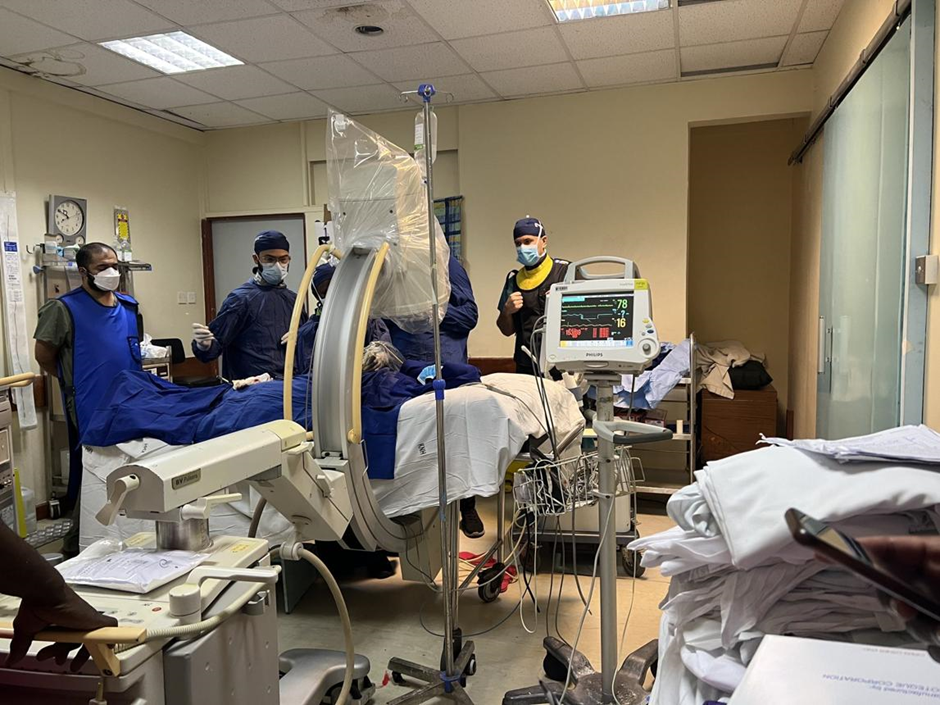
Interventional Radiologists specialize in image-guided, scar-free treatments. This ensures:
- Precision targeting of fibroids
- Less pain and faster recovery
- Excellent long-term results
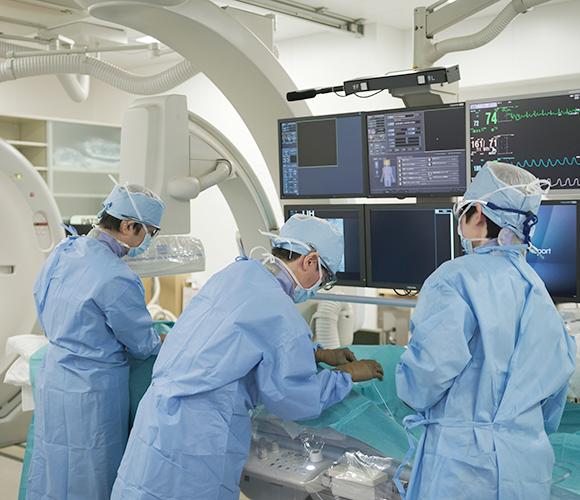
Fibroid Treatment Without Hysterectomy in Chennai
If you are searching for fibroid treatment without hysterectomy in Chennai, advanced options like Uterine Fibroid Embolisation (UFE) are available.
We provide:
- Expert evaluation
- Advanced minimally invasive treatment
- Patient-focused care
- Quick recovery protocols
Schedule a consultation to learn more about modern minimally invasive treatments for uterine fibroids.
Frequently Asked Questions
1. Is UFE painful?
Mild pain may occur for a short period, but it is well-controlled with medications.
2. How long does the procedure take?
Typically 45–90 minutes.
3. When can I resume normal activities?
Usually within 3–5 days.
4. Do fibroids completely disappear?
They shrink significantly, and symptoms improve dramatically.
Comments are closed