
Those twisted, bulging veins on your legs are not just a cosmetic concern. They are a clear sign that your venous valves are no longer working as they should. Fortunately, varicose veins treatment in Chennai has evolved dramatically over the past decade.
Today’s patients can access minimally invasive, image-guided procedures that close problem veins permanently without open surgery, general anaesthesia, or weeks of recovery. In most cases, patients walk out of the clinic the same day they were treated.
This guide covers everything from identifying your symptoms early, understanding your diagnosis, to choosing the right treatment for your specific stage of venous disease. Whether you are in the early stages or dealing with long-standing leg heaviness and skin changes, the information here will help you make a confident, informed decision about your vascular health.
What Are Varicose Veins?
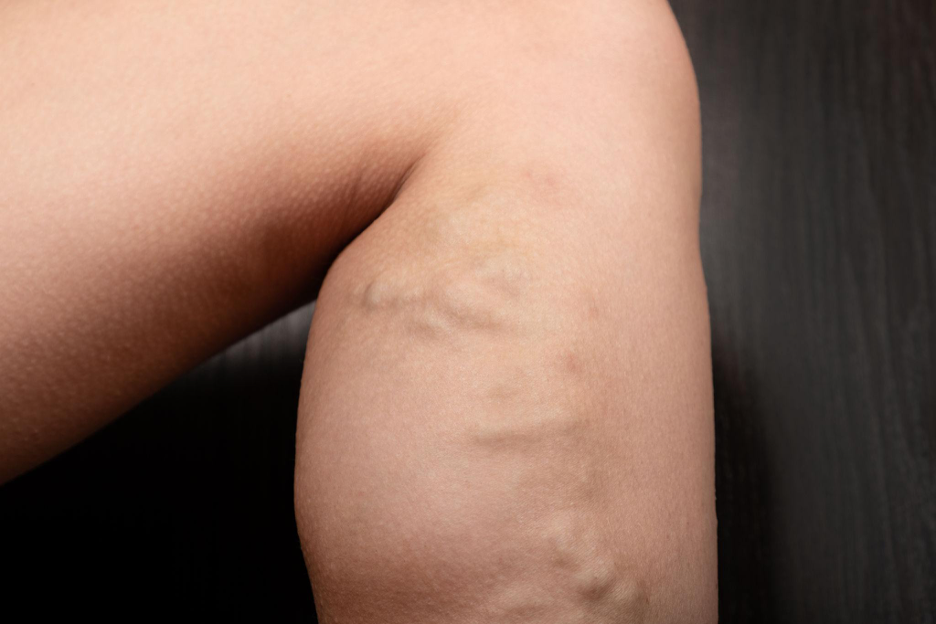
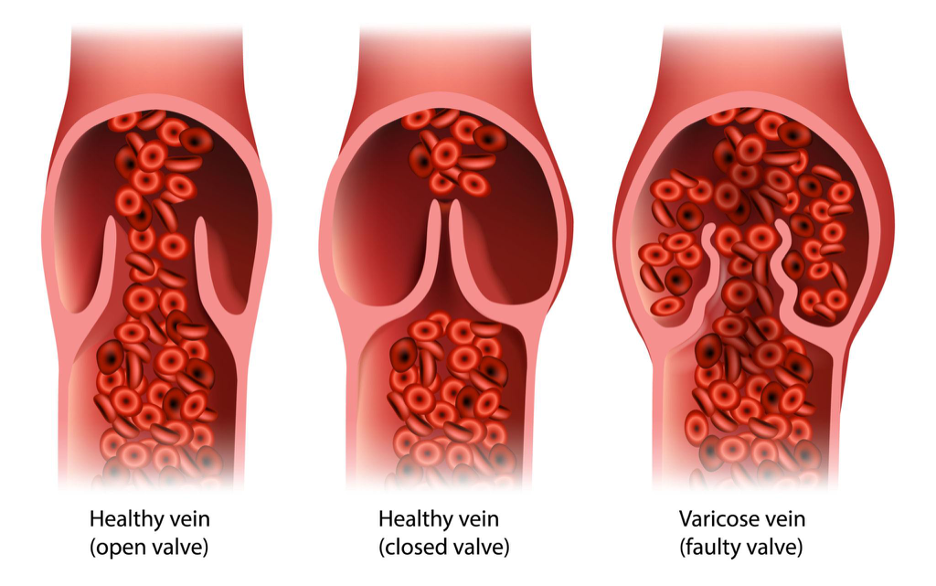
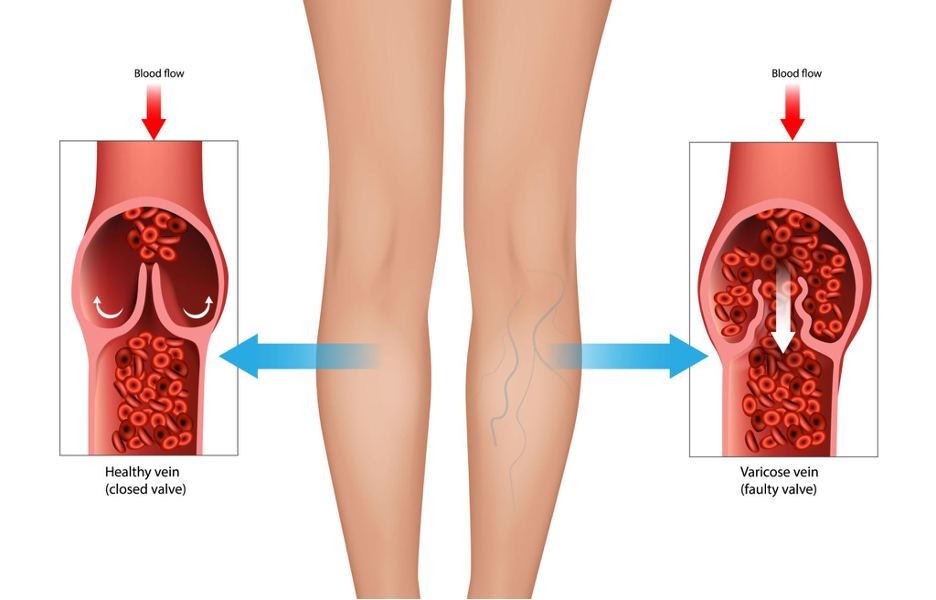
Varicose veins are enlarged, twisted superficial veins most commonly found in the legs. They form when the one-way valves inside the veins weaken, allowing blood to flow backward, pool under pressure, and cause the vein walls to stretch and become visibly distended beneath the skin.
The condition is progressive. What begins as mild cosmetic changes will worsen over time without treatment and can lead to skin breakdown and non-healing ulcers that are significantly harder to manage than early-stage vein disease.
Key statistics:
| 23% of adults globally are affected by varicose veins (Journal of Vascular Surgery) | 40% develop chronic venous insufficiency within 10 years if left untreated | 95%+ success rate for EVLT/RFA vs. 70–80% for traditional surgical stripping | 24 – 48h Average return to routine activity after modern minimally invasive treatment |
Varicose Vein Symptoms You Should Not Ignore
Varicose veins are not always just about appearance. Symptoms that start mild will worsen over time without treatment. Understanding your symptoms and their severity helps you and your specialist determine the urgency of assessment and the most appropriate treatment pathway.
Common Symptoms of Varicose Veins
- Bulging or twisted veins: Dark blue or purple veins visible under the skin, typically on the calves and thighs
- Heavy, tired legs: A persistent heavy or dragging sensation, worst at the end of the day or after prolonged standing
- Aching or throbbing: Pain or pulsing sensation after sitting or standing for extended periods
- Ankle and leg swelling: Fluid accumulation around the ankles and lower legs that worsens throughout the day
- Itching or burning: Localised itching or burning sensation directly over affected veins
- Night cramps: Leg cramps during the night a less recognised but common symptom of venous insufficiency
Advanced Warning Signs: Seek Urgent Assessment If You Notice
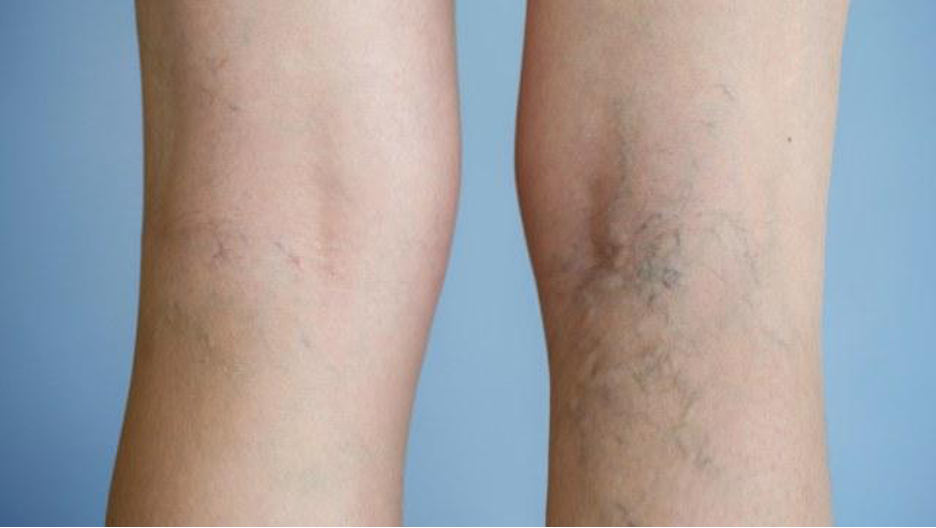
- Skin near the ankles darkening, hardening, or developing eczema-like changes
- A non-healing wound or ulcer near the ankle
- A vein that bleeds spontaneously or after minor trauma
- A sudden hardening and redness over a varicose vein (possible clot or thrombophlebitis)
These complications develop slowly over months or years of unmanaged venous disease. Early treatment is simpler, safer, and delivers better long-term outcomes than waiting until complications appear.
Are Varicose Veins Dangerous If Left Untreated?
Varicose veins are not immediately life-threatening, but ignoring them leads to progressive complications including skin discolouration, chronic leg ulcers, superficial blood clots (thrombophlebitis), and in some cases deep vein thrombosis. Seeking varicose veins treatment in Chennai at an early stage prevents all of these outcomes and makes the procedure significantly simpler.
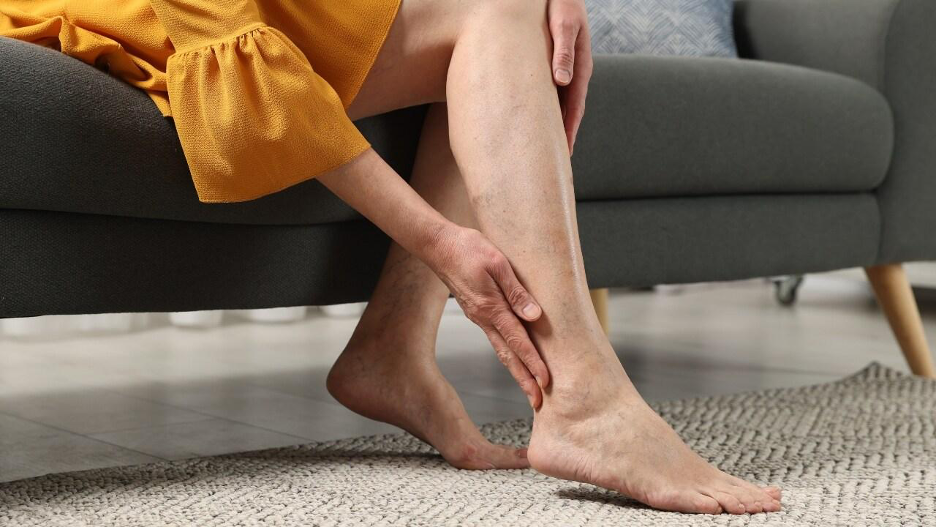
The presence of any two symptoms, pain, heaviness, swelling, or skin changes, warrants a specialist consultation and a Doppler ultrasound assessment, not watchful waiting.
Why Do Varicose Veins Develop? Causes and Risk Factors Explained
Varicose veins develop when the one-way valves inside your leg veins weaken or become damaged. Normally, these valves push blood back up toward the heart against gravity. When they fail, blood flows backward and pools in the vein. The increased pressure stretches the vein wall, creating the visible bulging and twisting that characterise the condition.
Key Risk Factors That Weaken Your Vein Valves
- Standing for long hours: Gravity increases venous pressure throughout the working day common in healthcare, retail, and hospitality workers
- Family history: Inherited weakness in vein walls and valve structure
- Pregnancy: Increased blood volume combined with uterine pressure on pelvic veins compresses venous return
- Weight gain or obesity: Abdominal pressure reduces venous return efficiency
- Increasing age: Progressive loss of vein wall and valve elasticity over time
- Hormonal changes: Oestrogen and progesterone relax vein walls, increasing susceptibility
- Sedentary lifestyle: Reduced calf muscle pump activity impairs blood return from the legs
Women develop varicose veins more frequently than men, but men are equally affected by symptomatic disease and equally benefit from treatment.
How to Slow Progression If You Are at High Risk
If you work in a profession requiring prolonged standing, Class II medical compression stockings (20-30 mmHg) worn throughout the working day reduce venous pressure in the leg by up to 40% and meaningfully slow the progression of early-stage varicose veins. Combine this with calf-raise exercises during breaks and a 20-minute walk at the end of each shift.
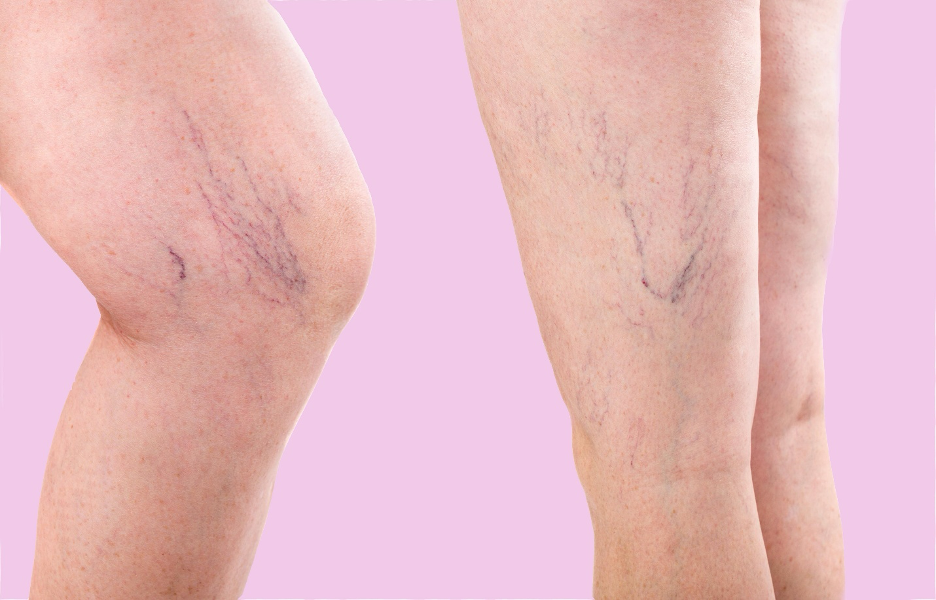
Genetics predisposes, lifestyle determines pace. Even patients with a strong family history can delay onset significantly through weight management, regular walking, and compression wear during high-risk activities. These measures do not reverse existing disease, but they reduce the rate of new vein involvement and slow symptom progression.
How Are Varicose Veins Diagnosed in Chennai?
Accurate diagnosis is the foundation of effective varicose vein treatment. A clinical examination alone is insufficient. The visible surface veins are the end result of an underlying problem that must be mapped precisely before any treatment decision is made.
What Is a Doppler Ultrasound and Why Is It Essential?
A Doppler ultrasound is a painless, non-invasive scan that evaluates blood flow in your veins. It is the gold standard diagnostic tool for varicose vein assessment and typically takes 20-45 minutes. It is not optional; it is the treatment roadmap.
The scan reveals:
- Blood flow direction: Confirms whether venous reflux (backward flow) is present and at which points
- Valve function: Identifies which specific valves have failed, and the root cause of the varicose veins
- Vein anatomy: Maps the great and small saphenous veins, perforator veins, and any deep venous involvement
- Treatment planning: Determines which veins require treatment, which procedure is most appropriate, and in which order
Why the Treating Doctor Should Perform the Scan Personally
When the treating specialist personally performs the duplex ultrasound rather than relying on external reports, the treatment plan is built entirely on first-hand imaging assessment. This direct involvement ensures that secondary reflux points are never missed during planning, which is the single most significant factor in reducing recurrence rates.
Any specialist offering varicose vein treatment without this assessment is offering an incomplete service. Always confirm that your duplex scan will be performed and reviewed by the treating doctor before any procedure begins.
Modern Varicose Veins Treatment Options in Chennai: No Surgery Required
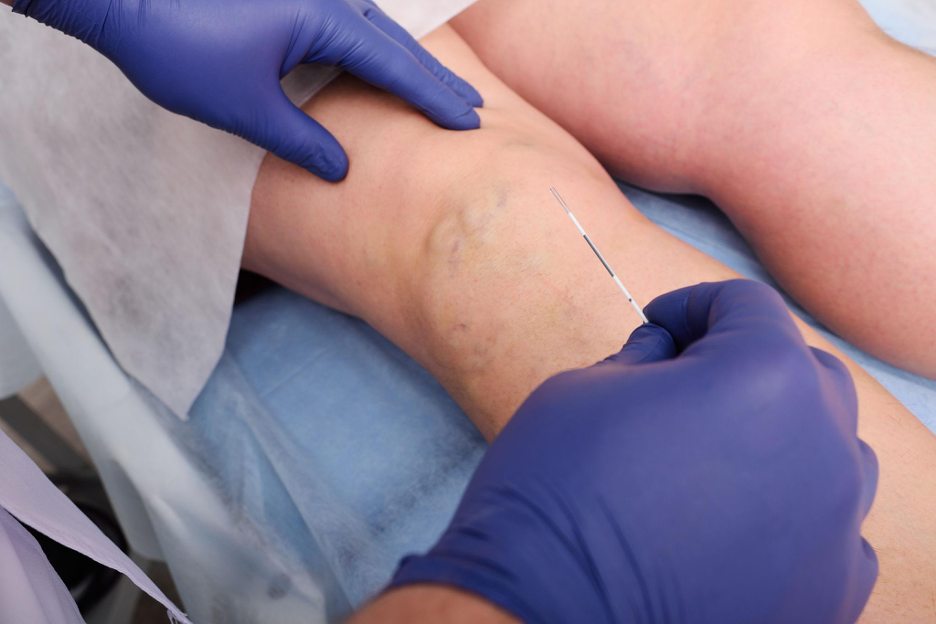
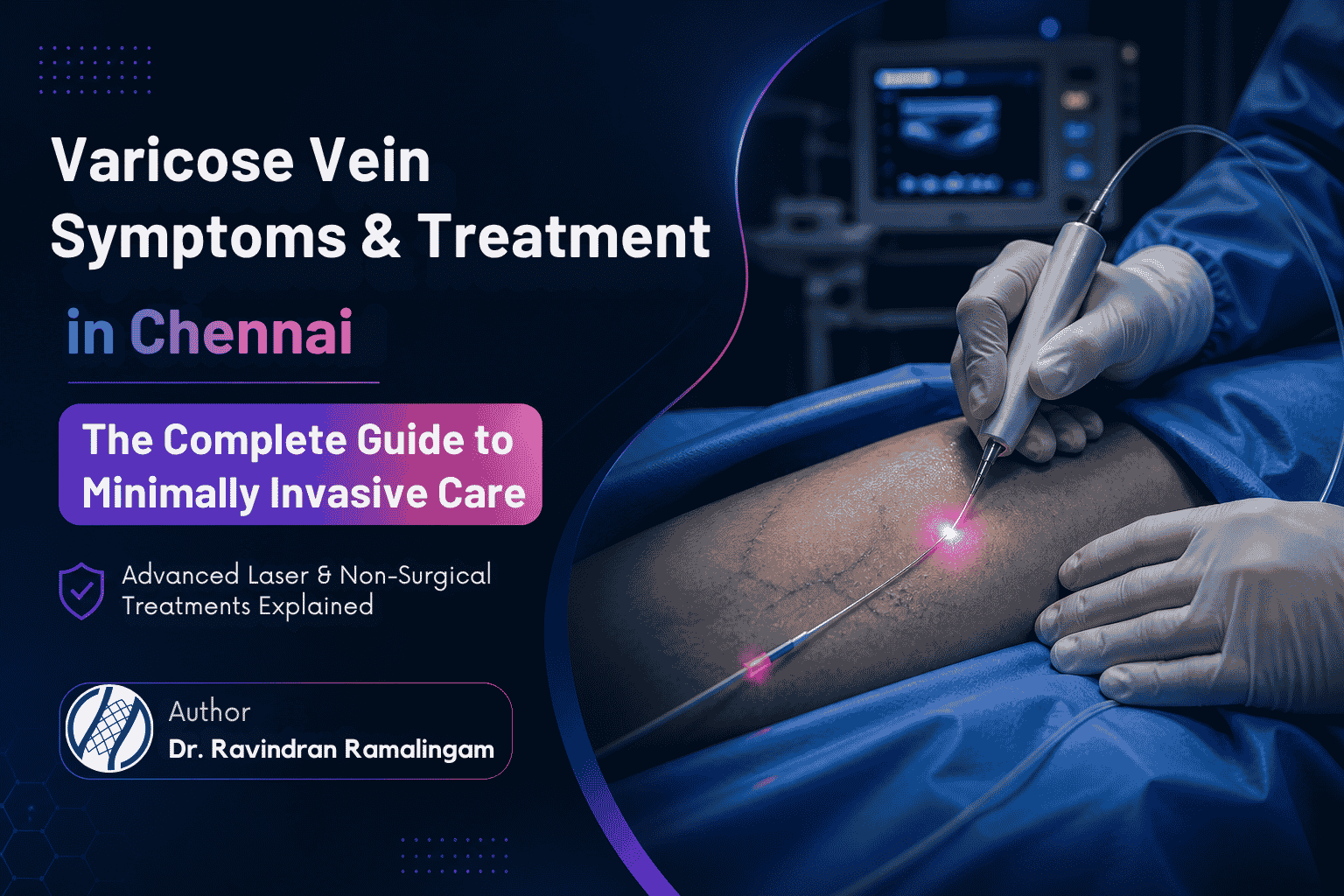
The standard of care has fundamentally shifted. Most patients with varicose veins today do not need surgery. Minimally invasive, image-guided treatments close the abnormal veins from the inside — leaving no large incisions, requiring no general anaesthesia, and allowing patients to walk out the same day.
Endovenous Laser Therapy (EVLT)
A laser fibre is inserted into the affected vein under ultrasound guidance. Laser energy seals the vein permanently from the inside. Gold standard for great saphenous vein reflux. Day procedure under local anaesthesia with a 95-98% success rate.
Radiofrequency Ablation (RFA)
A radiofrequency catheter heats and closes the vein wall. Similar to EVLT, with typically less post-procedure bruising. Excellent for patients concerned about recovery comfort. Day procedure under local anaesthesia with a 94-97% success rate.
Ultrasound-Guided Sclerotherapy
A chemical agent (foam or liquid) is injected into the vein under ultrasound guidance, causing it to close. Ideal for medium-sized varicose veins and incompetent perforator veins. Requires no anaesthesia, same-day procedure with an 80-90% success rate.
Other Catheter-Based Treatments: MOCA and Cyanoacrylate Glue Ablation
Non-thermal options including MOCA (Clarivein) and cyanoacrylate glue ablation require minimal anaesthesia and are suited for patients unable to tolerate tumescent injection. Day procedure with a 92-95% success rate.
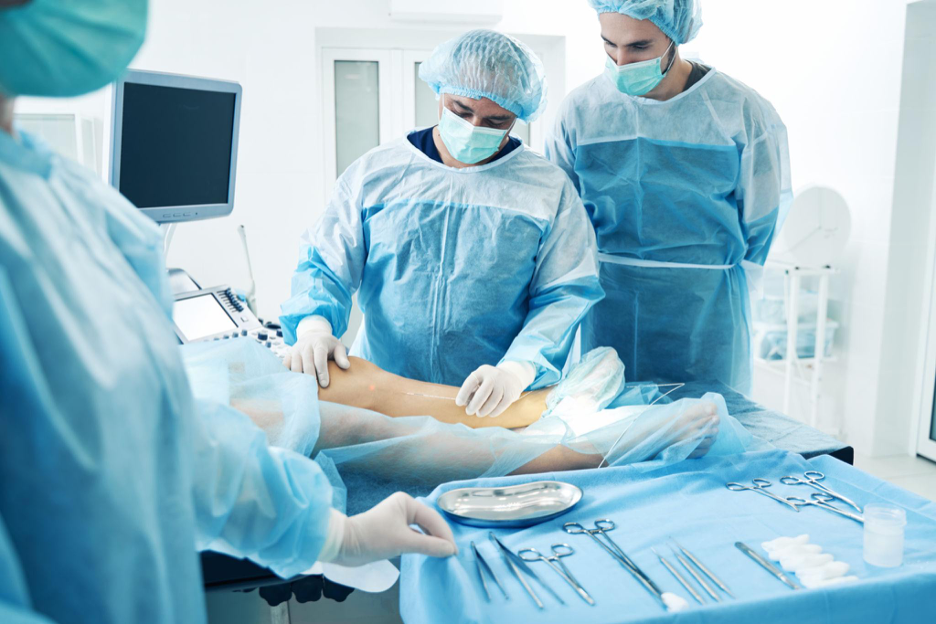
Minimally Invasive Treatment vs. Traditional Surgery: A Direct Comparison
| Feature | Minimally Invasive (EVLT/RFA) | Traditional Surgery |
| Anaesthesia | Local tumescent | General or spinal |
| Hospital stay | Day procedure | 1-2 nights |
| Recovery time | 24-48 hours | 2-4 weeks |
| 5-year success rate | 95-98% | 70-80% |
| Scarring | Minimal (needle entry only) | Multiple surgical scars |
| Risk of nerve injury | Very low (under 1%) | 3-5% |
| Post-procedure pain | Mild analgesics only | Significant prescription-level |
Can Varicose Veins Be Treated Without Surgery?
Yes. The vast majority of varicose vein cases are now treated without any open surgery. Endovenous laser therapy (EVLT), radiofrequency ablation (RFA), and ultrasound-guided sclerotherapy are all minimally invasive, image-guided procedures that close affected veins permanently without surgical incisions, general anaesthesia, or hospital admission. These are the current standards of care for varicose veins treatment in Chennai.
The fear of surgery, scars, and weeks of recovery that causes many patients to delay is no longer relevant to the current standard of care.
When Should You Get Your Varicose Veins Checked?
The right time to seek an assessment is earlier than most people think. Waiting until symptoms are severe means the condition has progressed beyond its most easily treatable stage.
See a Specialist Promptly If You Have Any of the Following
- Painful or swollen veins that are getting progressively worse
- Persistent leg heaviness that interferes with daily activity or sleep
- Skin changes near the ankle — darkening, hardening, or discolouration
- Bleeding from a varicose vein, even if minor
- A wound near the ankle that has not healed in two or more weeks
Schedule a Routine Assessment Within 4-6 Weeks If You Have
- Visible varicose veins with mild discomfort or cosmetic concern
- A family history of varicose veins with early leg heaviness
- Upcoming pregnancy with mild existing vein issues
- A profession requiring long hours of standing with early-stage visible veins
Early treatment is simpler, faster, and significantly more effective than late-stage intervention. A straightforward EVLT or RFA procedure at an early stage takes under an hour. Treating the same patient after years of progression with skin changes, ulcers, or thrombophlebitis involves a far more complex management pathway.
About Dr. Ravindran Ramalingam — Interventional Radiologist, Varicose Vein Specialist in Chennai
Dr Ravindran Ramalingam is an Endovascular and Interventional Radiologist with specialised expertise in minimally invasive vein treatments. He performs the full spectrum of image-guided endovenous procedures, including EVLT, RFA, ultrasound-guided sclerotherapy, and catheter-based treatments for both varicose veins and varicocele.
Why He Performs Every Pre-Procedure Scan Personally
Rather than relying on external imaging reports, Dr Ravindran personally performs the pre-procedure duplex ultrasound mapping for every patient. The treatment plan is built entirely on first-hand imaging assessment, not secondhand data. This direct involvement ensures that secondary reflux points are never missed during planning, one of the most significant factors behind his consistently low recurrence rates and reliable procedural outcomes.
What Is an Interventional Radiologist and Why Does It Matter for Varicose Vein Treatment?
An Interventional Radiologist is a medical specialist trained to perform minimally invasive, image-guided procedures through small punctures rather than open surgery. For varicose veins, this means using real-time ultrasound guidance to deliver precisely targeted treatments inside the vein with greater accuracy, lower complication rates, and faster recovery than surgical alternatives.
Dr Ravindran practices at Gleneagles Health City and Maruti Scans, Chennai.
Frequently Asked Questions About Varicose Vein Treatment in Chennai
How long does recovery take after varicose vein treatment in Chennai?
Recovery from minimally invasive procedures, EVLT, RFA, or sclerotherapy, is typically 24-48 hours before returning to routine activity. Most patients walk out of the clinic immediately after treatment. Compression stockings are worn for 1-2 weeks. High-impact exercise is avoided for 2-3 weeks. Traditional surgical stripping requires 2-4 weeks of restricted activity by comparison.
Why do varicose veins come back after treatment?
Recurrence is most commonly caused by incomplete treatment of the original reflux source, typically because a pre-treatment duplex ultrasound was not performed or was not reviewed by the treating specialist. Secondary causes include neovascularisation at the treatment site and new reflux in previously unaffected vein segments. A thorough pre-treatment mapping by the treating doctor is the single most effective way to minimise recurrence risk.
What is the most effective varicose vein treatment available in Chennai without surgery?
Endovenous Laser Therapy (EVLT) and Radiofrequency Ablation (RFA) are the gold standard non-surgical treatments for varicose veins, with 5-year success rates of 95-98% significantly higher than traditional surgical stripping. Both are day procedures under local anaesthesia, performed by an Interventional Radiologist using real-time ultrasound guidance. The right procedure is chosen based on your individual duplex scan findings.
When is the right time to see a specialist for varicose veins?
The right time is before complications develop. If your varicose veins are causing pain, swelling, leg heaviness, skin changes near the ankle, or a wound that will not heal, see a specialist promptly. Even without significant symptoms, visible varicose veins that are growing or causing cosmetic distress warrant an assessment. Early treatment is safer, simpler, and delivers better long-term outcomes than late intervention.
Conclusion: Pain-Free Legs Are Closer Than You Think
If you have been living with aching, swollen legs, visible varicose veins, or the persistent worry that things are getting worse, the path forward is clearer and simpler than most patients expect. A 45-minute duplex ultrasound gives you a complete picture of what is happening inside your veins. A day-care procedure addresses it. Within 48 hours, most patients feel the difference.
The fear of surgery, long recovery times, and large scars belongs to the era of traditional surgical stripping, not to modern varicose veins treatment in Chennai. Dr Ravindran Ramalingam’s practice at Gleneagles Health City and Maruti Scans is built entirely on this minimally invasive, image-guided approach.
The first step is a simple ultrasound, and it can give you clear answers the same day.
Comments are closed