Chennai-based Endovascular & IR Specialist, Dr. Ravindran Ramalingam offers minimally invasive, scar-free treatments ensuring faster recovery and minimal pain.

Endovascular &
IR Specialist

Center Address
- Gleneagles Health City, Perumbakkam, Chennai, TN
- Maruti Scans, Velachery, Chennai, TN

Brain Aneurysm Embolization

A Life-Saving, Minimally Invasive Treatment for Coughing Up Blood

Coughing up blood (called hemoptysis) can be frightening and sometimes life-threatening. It often happens due to lung infections, tuberculosis, bronchiectasis, tumors, or chronic lung disease.

Bronchial Artery Embolization (BAE) is a minimally invasive, image-guided procedure that stops bleeding from the lungs quickly and safely—without open surgery.

👉 Coughing up blood or recurrent chest bleeding?

What Is Bronchial Artery Embolization?

Bronchial Artery Embolization is a procedure where a doctor blocks the bleeding blood vessels in the lungs using tiny particles or coils delivered through a thin tube (catheter).

This treatment:

  • Stops active bleeding from the lungs
  • Prevents re-bleeding in many patients
  • Avoids major chest surgery
  • Works even in emergency situations
  • No open surgery
  • Small puncture, no stitches
  • Rapid control of bleeding
  • Often life-saving

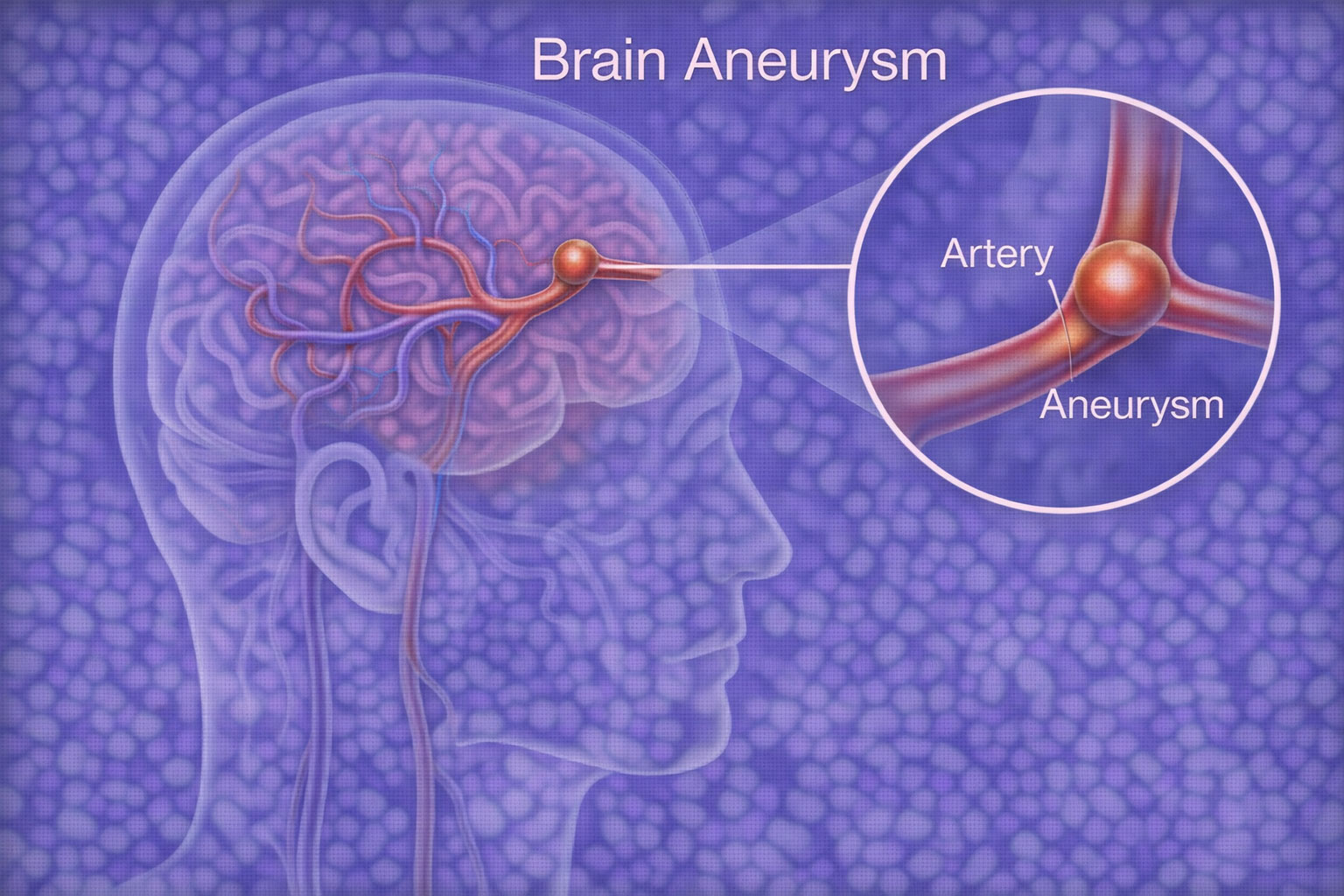
What Is a Brain Aneurysm?

brain aneurysm is a weak spot in a brain artery that bulges out like a balloon. 

It can: 

  • Stay silent for years, or 
  • Rupture suddenly, causing subarachnoid hemorrhage (brain bleeding), which is a medical emergency 

Common symptoms (especially if ruptured): 

  • Sudden, severe headache (“worst headache of life”) 
  • Vomiting 
  • Loss of consciousness 
  • Neck stiffness 
  • Vision or speech problems 

Some aneurysms are found by chance on CT or MRI scans done for other reasons. 

How Is Brain Aneurysm Embolization Done?

The procedure is done by a neuro-interventional radiologist in a cath lab using X-ray guidance. 

Step-by-step: 

  • You are given general anesthesia (you will be asleep) 
  • A small tube (catheter) is inserted through an artery in the groin or wrist 
  • The catheter is guided carefully to the blood vessels of the brain 
  • Using live X-ray imaging, the doctor reaches the aneurysm 
  • Tiny coils or special devices are placed inside the aneurysm to seal it off 
  • Blood flow in the normal artery is preserved 
  • The catheter is removed, and a small dressing is applied 

What Are the Risks?

Brain aneurysm embolization is widely performed and generally safe in experienced centers. Possible risks with approximate incidence include: 

  • Groin/wrist bruising or bleeding – common (5–10%) 
  • Headache or nausea after procedure – common (10–20%) 
  • Stroke or clot during procedure – uncommon (2–5%) 
  • Bleeding in the brain – uncommon (1–3%) 
  • Artery injury or spasm – rare (<1–2%) 
  • Infection – rare (<1%) 
  • Need for repeat treatment later – uncommon (5–10%, depends on aneurysm type) 

What Are the Alternatives?

Your treatment choices depend on: 

  • The type and size of the aneurysm 
  • Whether the aneurysm has ruptured (burst) or not 
  • Your overall health and other medical conditions 
  • Your personal preferences and risk factors 

Your specialist will help you decide the safest and most effective option. 

Alternative 1: No Active Treatment (Observation Only) 

  • Some small, low-risk aneurysms do not need immediate treatment 
  • These can be monitored regularly with imaging tests like CT or MRI scans 
  • Avoids the risks of surgery or procedures 
  • Limitation: the aneurysm still needs close follow-up, as it can grow or rupture over time 


Alternative 2: Surgical Clipping 

  • An open brain surgery where a small metal clip is placed at the base of the aneurysm to block blood flow into it 
  • Can provide a durable, long-term solution 
  • However, compared to minimally invasive treatments, surgery: 
  • Is more invasive 
  • Has a higher risk of complications such as stroke, infection, or nerve injury 
  • Requires a longer hospital stay and recovery period 
  • Despite these risks, surgical clipping has a high overall success rate in suitable patients 

Choosing the Right Aneurysm Treatment 

Many patients today benefit from minimally invasive endovascular treatments (such as coiling or flow diversion), which offer lower risk, less pain, and faster recovery compared to open surgery. A personalized evaluation helps determine the best way to prevent aneurysm rupture and protect brain health. 

📌 The best treatment depends on your aneurysm and overall health. A specialist will guide you. 

What Happens After Your Procedure?

After brain aneurysm embolization: 

  • You will be monitored in ICU or special care for a day or two 
  • Headache or tiredness may occur for a few days 
  • Most patients stay in hospital for 2–5 days (longer if there was bleeding before treatment) 
  • You may need blood-thinning medicines (especially if a stent is used) 
  • Follow-up scans (CT/MRI/angiography) are done to make sure the aneurysm stays sealed 
  • Most people can return to normal activities gradually over 1–2 weeks 

Frequently Asked Questions (FAQs) – Bronchial Artery Embolization (BAE)

Brain aneurysm embolization is a minimally invasive treatment that seals a brain aneurysm from inside the blood vessel using tiny coils, stents, or special devices to prevent rupture or re-bleeding. 

A brain aneurysm is a weak, bulging area in a brain artery that can burst and cause dangerous bleeding in the brain. 

It is done to: 

  • Prevent aneurysm rupture or re-bleeding 
  • Reduce the risk of stroke and brain damage 
  • Treat aneurysms without open brain surgery in many cases 

No. It is a catheter-based, minimally invasive procedure, not open brain surgery. 

No. The procedure is done under general anesthesia, so you won’t feel pain during it. 

It usually takes 1 to 3 hours, depending on the size and complexity of the aneurysm. 

Most patients stay in the hospital for 2 to 5 days, especially if the aneurysm had ruptured. 

In most cases, embolization successfully seals the aneurysm and greatly reduces the risk of bleeding. Some aneurysms may need follow-up or repeat treatment. 

Possible risks include stroke, bleeding, artery injury, infection, or need for repeat treatment. Serious complications are uncommon in experienced centers. 

In a small number of cases, the aneurysm can reopen or grow again, which is why regular follow-up scans are important. 

Coiling is done from inside the blood vessel using a catheter (embolization). Clipping is open brain surgery where a clip is placed on the aneurysm. 

Some patients, especially those who receive a stent or flow diverter, will need blood-thinning medicines for a period of time. 

Most patients can return to light activities within 1–2 weeks, depending on recovery and doctor’s advice. 

Yes. When done by experienced neuro-intervention specialists, it is a safe and widely used treatment with good success rates. 

Yes. It is available in advanced neuro-intervention and stroke centers across India. 

Why Choose Bronchial Artery Embolization?

  • Minimally invasive 

  • No open brain surger

  • Life-saving treatment 

  • Shorter recovery time 

  • Proven and safe technique

  • Reduces risk of brain bleeding and stroke 

Don’t Ignore a Brain Aneurysm

A brain aneurysm can be silent—but dangerous. Early treatment can prevent life-threatening brain bleeding and protect your future.

If you or your loved one has been diagnosed with a brain aneurysm or has warning symptoms:
Call Now Button