Chennai-based Endovascular & IR Specialist, Dr. Ravindran Ramalingam offers minimally invasive, scar-free treatments ensuring faster recovery and minimal pain.

Endovascular &
IR Specialist

Center Address
- Gleneagles Health City, Perumbakkam, Chennai, TN
- Maruti Scans, Velachery, Chennai, TN

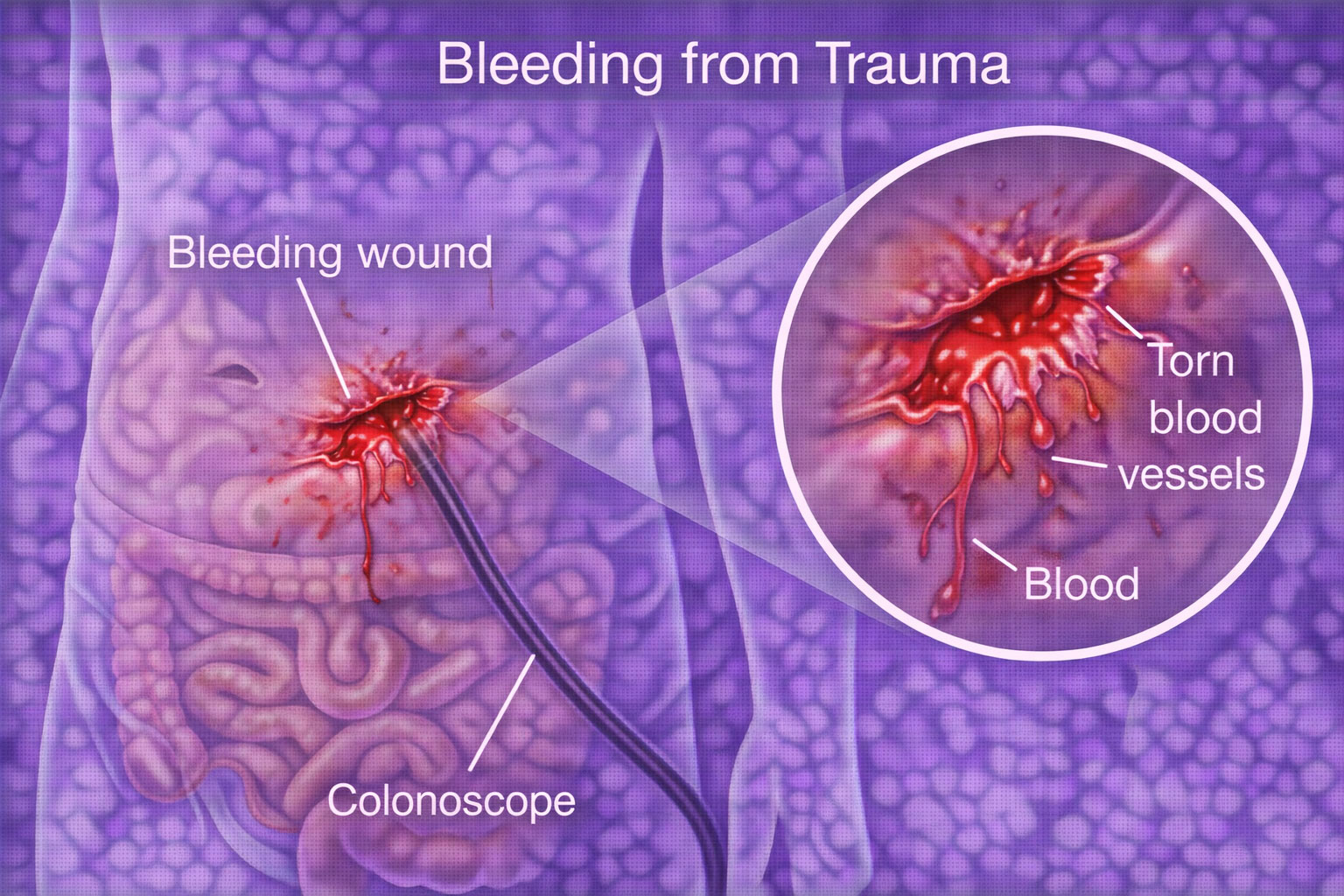
Bleeding from Trauma

Embolization for Trauma Bleeding

A Fast, Minimally Invasive, Life-Saving Treatment to Stop Bleeding Inside the Body

Accidents, falls, or injuries can cause internal bleeding in organs like the liver, spleen, kidney, pelvis, or muscles. Internal bleeding can be life-threatening if not stopped quickly.

Embolization is a modern, image-guided procedure that stops bleeding from inside the blood vessel—often without open surgery—and helps stabilize the patient fast.

👉 Severe injury or ongoing internal bleeding?

What Is Embolization for Trauma Bleeding?

Embolization is a procedure where a doctor uses a thin tube (catheter) to reach the bleeding blood vessel and blocks it using special materials like coils, glue, gel foam, or tiny particles.

This treatment:

  • Stops active internal bleeding quickly
  • Targets only the bleeding vessel
  • Avoids major surgery in many cases
  • Helps stabilize the patient and save lives
  • No big cuts

  • Small puncture in the groin or arm

  • Fast control of bleeding

  • Often life-saving in emergencies

What Is Internal Bleeding from Trauma?

Internal bleeding from trauma means blood is leaking inside the body after an injury such as:

  • Road traffic accidents
  • Falls
  • Sports injuries
  • Assault or blunt trauma
  • Penetrating injuries (knife, sharp objects)

Common organs involved:

  • Liver, spleen, kidneys
  • Pelvis
  • Chest or abdomen
  • Muscles and soft tissues

Why it’s dangerous:

  • Blood loss can cause shock
  • It may not be visible from outside
  • It can become life-threatening very quickly

Symptoms may include:

  • Severe pain
  • Dizziness or fainting
  • Low blood pressure
  • Fast heartbeat
  • Swelling of abdomen or limb

How Is Embolization for Internal Bleeding Done?

The procedure is performed by an interventional radiologist in an emergency or urgent setting using X-ray guidance.

Step-by-step:

  • The patient is shifted to the angiography (cath lab) room
  • Local anesthesia (and sometimes sedation or anesthesia) is given
  • A small puncture is made in the groin or arm artery
  • A thin catheter is guided to the bleeding vessel
  • Contrast dye shows the exact source of bleeding
  • Embolic materials (coils, glue, gel foam, particles) are placed to block the bleeding
  • Blood flow is checked to confirm the bleeding has stopped
  • The catheter is removed and a small dressing is applied

What Are the Risks?

Embolization is generally safe and widely used in trauma care. Possible risks with approximate incidence include:

  • Bruising or pain at puncture site – common (10–20%)
  • Fever or mild pain after embolization – common (10–20%)
  • Infection – rare (<1–2%)
  • Allergic reaction to contrast dye – rare (<2%)
  • Unintended blockage of nearby small vessels – rare (<1–2%)
  • Need for repeat embolization or surgery – uncommon (5–10%, depends on injury severity)

What Are the Alternatives?

Treatment choices depend on:

  • The type and severity of injury
  • The location of internal bleeding
  • Your overall health and personal preferences

Your trauma or interventional specialist will decide the safest and fastest option.

Alternative 1: No Immediate Procedure (Supportive Care)

  • Some types of internal bleeding can stop on their own
  • Blood transfusions may be given to replace lost blood while the body heals
  • Avoids surgery or invasive procedures
  • Limitation: certain bleeds are too severe or ongoing and can become life-threatening without urgent intervention

Alternative 2: Surgery to Control Bleeding

  • Involves open surgery to:
    • Tie off bleeding blood vessels
    • Remove damaged tissue or an injured organ
  • Surgery is sometimes used along with embolization, especially in patients with multiple injuries after accidents or trauma
  • However, surgery:
    • Is more invasive
    • Carries higher risks and longer recovery time compared to minimally invasive options

Choosing the Right Bleeding Control Treatment

In many emergency situations, minimally invasive embolization can quickly and safely stop internal bleeding with less risk and faster recovery than open surgery. A rapid, expert evaluation is critical to save life and organs.

📌 For many internal injuries, embolization is preferred because it stops bleeding quickly with less trauma to the body than open surgery.

What Happens After Your Procedure?

After embolization:

  • The patient is monitored in ICU or high-dependency unit
  • Blood pressure, pulse, and blood counts are checked
  • Bleeding usually stops immediately
  • Pain or fever may occur for a short time
  • Further treatment of injuries continues (fractures, organ care, etc.)
  • Recovery depends on overall injury severity, not just the procedure

Frequently Asked Questions (FAQs) – Embolization for Trauma Bleeding

Embolization is a minimally invasive, image-guided procedure used to stop internal bleeding after an injury by blocking the bleeding blood vessel from inside using special materials like coils, glue, or particles.

It is used when scans show active internal bleeding in organs like the liver, spleen, kidney, pelvis, or muscles, or when bleeding continues despite initial treatment.

Yes. Embolization is commonly performed as an emergency or urgent procedure to control life-threatening internal bleeding.

No. It is a catheter-based, minimally invasive procedure, not open surgery.

It is done under local anesthesia and sometimes sedation or anesthesia, so most patients feel little or no pain during the procedure.

The procedure usually takes 30 to 90 minutes, depending on the bleeding site and how many vessels need treatment.

Embolization is highly effective in controlling bleeding from many organs and pelvic injuries and often avoids the need for open surgery.

Many patients do not need surgery after successful embolization. Some may still need surgery depending on other injuries.

Risks are usually mild and uncommon, such as bruising, pain, fever, infection, or rarely blockage of nearby vessels. Serious complications are rare.

In most cases, bleeding stops immediately or very soon after the procedure.

Hospital stay depends on the severity of the injury, but embolization often reduces ICU time and speeds up recovery.

Yes. In experienced trauma and interventional radiology centers, embolization is safe and widely used to control internal bleeding.

Common injuries include bleeding from:

  • Liver
  • Spleen
  • Kidney
  • Pelvis
  • Muscles and soft tissues

Yes. Trauma embolization is available in advanced trauma centers and interventional radiology units across India.

Embolization should be considered urgently when:

  • CT scan shows active internal bleeding
  • Blood pressure is dropping due to bleeding
  • There is ongoing blood loss despite treatment
  • Surgery is high-risk or not immediately possible

Why Choose Embolization for Trauma Bleeding?

  • Fast, life-saving bleeding control
  • Minimally invasive
  • Avoids or reduces need for surgery
  • Targets only the bleeding vessel
  • Faster recovery when compared to major surgery
  • Proven, modern trauma care technique

Internal Bleeding Is a Medical Emergency

If you or your loved one has serious injury, falling blood pressure, or internal bleeding on scan, every minute matters.

Embolization can stop bleeding quickly and safely—often without open surgery—and can save lives.
Call Now Button